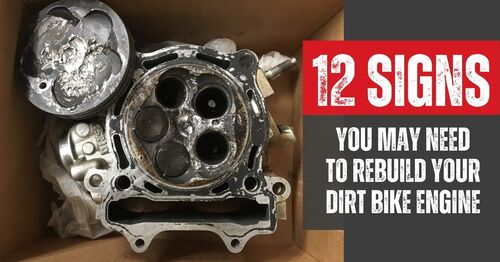



Rebuilding a four-stroke dirt bike cylinder head is a job where precision matters. Worn valves, damaged guides, tired springs or incorrect cam timing can affect performance and potentially cause serious engine damage.
Whether you're rebuilding a motocross engine or refreshing a well-used enduro bike, the key is to inspect and measure components before deciding what needs replacing.
This guide covers the main stages of a four-stroke cylinder head rebuild, from identifying common problems to the critical checks required before restarting the engine.
This is a general guide for conventional four-stroke dirt bike engines. Your factory service manual takes priority for procedures, measurements, tolerances, torque specifications and cam timing. Some operations require specialist machining equipment.
When Does a 4-Stroke Cylinder Head Need Rebuilding?
Worn valves and valve seats are common causes of cylinder head problems, particularly on high-performance four-stroke dirt bikes.
Common warning signs include difficult starting, reduced power, abnormal valve clearances, unusual mechanical noises, oil consumption or evidence of overheating.
Check valve clearance, compression, valve sealing and other starting-related systems.
Investigate valve sealing, piston rings and other possible causes using suitable tests.
Inspect valve faces and seats for wear or recession rather than repeatedly changing shims.
Check valve train components, cam chain, tensioner and camshaft bearing surfaces.
Check valve stem seals and guides, while also considering piston rings and other faults.
Inspect the head gasket, cylinder head condition and cooling system.
As valve faces and seats wear, a valve can sit progressively deeper in the cylinder head. On some engines this reduces valve clearance and may eventually prevent proper sealing.
Similar symptoms can also come from piston rings, fuel delivery, ignition components or other faults. Diagnose the problem before purchasing replacement parts.

- Inspect valve faces and seating surfaces.
- Look for abnormal deposits or heat damage.
- Measure components against service limits.
- Confirm the underlying cause before replacing parts.
01 Disassemble the Cylinder Head Carefully
Before removing components, thoroughly clean the outside of the engine to prevent dirt entering exposed oilways, the timing chain area or combustion chamber.
Follow your factory service manual when removing the camshaft cover, timing chain tensioner, camshafts and cylinder head.
Pay particular attention to the crankshaft position and cam timing marks before dismantling the valve train.
As components are removed, inspect them for damage and keep track of their original positions. Depending on engine design, camshaft caps, followers and buckets may need to return to their original locations.
Take clear photographs during disassembly, label components and organise fasteners. Record valve clearances before dismantling where the service procedure allows. This information can be invaluable during reassembly.
02 Clean the Cylinder Head Without Damage
Carbon deposits around the combustion chamber and valves are normal in a used engine. Excessive build-up may contribute to poor sealing or indicate other engine issues.
Once disassembled, clean the head using products and methods suitable for its material. Aluminium cylinder heads require particular care.

- Use cleaning methods approved for the material.
- Avoid gouging or scratching the sealing face.
- Keep abrasive particles out of oil passages.
- Remove loose deposits before assembly.
Clean the combustion chamber, valve faces, ports, gasket surfaces and accessible oil passages as appropriate.
Avoid aggressive abrasives, steel scrapers and powered abrasive discs on gasket sealing surfaces. These can cause scratches, change surface flatness or leave abrasive particles behind.
Remove all cleaning products and loose deposits before reassembly. Significant corrosion, heavy deposits or damaged sealing surfaces may require professional cleaning and assessment.
03 Inspect the Valves, Guides and Seats
This is one of the most important stages of the rebuild. Components that appear acceptable visually can still be worn beyond the manufacturer's limits.
Look for burning, pitting, bending, scoring and abnormal wear. Measure against the specified limits.
Excessive clearance can affect valve alignment, oil control and sealing.
Check for recession, pitting and uneven seating. Specialist machining may be needed.
Inspecting the Valves
Inspect the valve faces, stems and tips for pitting, burning, bending, scoring or abnormal wear. Measure valve stem diameter and other specified dimensions using the procedures in the service manual.
Pay close attention to the type of valve fitted. Many performance four-stroke dirt bikes use coated titanium intake valves.
Coated titanium valves generally must not be refaced or lapped unless the valve manufacturer specifically permits it. Removing the coating can significantly reduce valve life.
Steel valves may permit different servicing procedures, but all components must meet the manufacturer's specifications.
If valves require replacement, browse Firestorm's motorcycle valve kits. When changing from titanium to steel, check that the springs and associated parts are suitable for the replacement valves.
Checking Valve Guides
Valve guides keep the valves correctly aligned as they open and close. Excessive stem-to-guide clearance may cause poor sealing, oil consumption and accelerated wear.
Clearance must be checked using appropriate measuring equipment and factory service limits. Feeling for movement by hand is not an accurate substitute.
Worn guides may require specialist replacement and machining.
Inspecting Valve Seats
Valve seats are the machined surfaces against which the valves close.
Pitting, recession, uneven contact or incorrect seat geometry can prevent the valves sealing correctly.
When machining is required, it should be performed by a qualified cylinder head specialist using suitable equipment.
04 Check the Valve Springs and Retainers
Valve springs close the valves and keep the valve train under control during operation.
Inspect them for damage, corrosion and abnormal wear. Measure free length, installed height and spring force where specified by the manufacturer.
Check the spring retainers, spring seats and valve collets (keepers) for wear or damage. Replace components outside their service limits.
If valves and springs need replacing, a ProX steel valve and spring kit may be suitable for compatible models. These kits include springs intended for the replacement steel valves.
Valve stem seals should generally be replaced during a cylinder head rebuild. Install them using the correct tools and procedures to avoid damaging the new seals.
05 Inspect the Cylinder Head Casting
Before reassembly, inspect the cylinder head casting and its machined surfaces.
Look for cracks, corrosion, damaged threads, blocked oil passages and evidence of overheating.
Check flatness and distortion using the specified procedure and tolerances.
Inspect bearing surfaces for scoring, damage and excessive clearance.
Check for contamination, debris or blockages.
Inspect for cracks, corrosion and heat-related damage.
Many motorcycle cylinder heads have camshafts running directly in machined aluminium bearing surfaces rather than replaceable bearing shells.
Scoring or excessive wear in these areas can require specialist assessment or replacement of the head.
New valves and seals won't correct damage elsewhere in the cylinder head.
06 Reassemble the Valves and Springs
Once the head has been cleaned, inspected and measured, and any necessary machining completed, reassembly can begin.
Use the correct new valve stem seals and any replacement valves, springs or retaining components identified during inspection.
Lubricate components as directed by the service manual and install them using an appropriate valve spring compressor and protective tools.
Make sure the valve collets are properly seated in their grooves and the retainers are secured correctly.
Incorrectly fitted valve collets or retainers can cause catastrophic valve train failure. Confirm correct assembly before the cylinder head is installed.
Before fitting the head to the engine, confirm that the valves operate correctly and that all required measurements and inspections have been completed.
07 Refit the Head and Set Cam Timing
Cylinder head installation and cam timing must follow the exact sequence specified for your motorcycle.
Use the correct replacement head gasket and any additional seals or fasteners designated for replacement.
Make sure all mating surfaces are clean and undamaged, then tighten the cylinder head fasteners in the manufacturer's specified sequence and stages, including torque and angle procedures where required.

- Confirm gasket compatibility.
- Check which seals are included in the kit.
- Use new fasteners where specified.
- Follow the correct tightening sequence.
When reinstalling the camshafts, ensure the crankshaft and camshaft timing marks are aligned correctly.
The cam chain must be properly engaged and the tensioner installed and activated according to the factory instructions.
Inspect the cam chain and tensioner for wear or damage. If replacement is required, browse Firestorm's engine parts range and select components for your exact model and year.

- Set the crankshaft to the specified reference position.
- Confirm camshaft timing mark alignment.
- Check the cam chain and tensioner installation.
- Rotate the engine by hand as instructed and recheck.
Incorrect cam timing can cause poor running or valve-to-piston contact on an interference engine. Never guess the timing position or force the engine through unexpected resistance.
Once assembled, rotate the engine carefully by hand through the specified number of crankshaft revolutions and recheck the timing marks.
If you encounter unexpected resistance, stop and investigate before attempting to start the engine.
08 Measure and Adjust Valve Clearances
Valve clearance is the small gap in the valve operating mechanism that accommodates thermal expansion and allows the valves to close correctly.
Incorrect clearance can affect starting, performance and valve life.
With the engine at the temperature and crankshaft position specified by the manufacturer, use feeler gauges to measure each valve clearance.

- Measure at the specified engine temperature.
- Compare results with factory tolerances.
- Use the correct shim or adjustment method.
- Record clearances before and after adjustment.
Compare your readings against the factory specifications.
Many modern motocross and enduro engines use shims, while other engines have screw-and-locknut adjusters or different systems.
For shim-adjusted engines, calculate the required replacement shim size using the manufacturer's procedure and available shim increments.
Record the measurements before and after adjustment.
Valve clearances that repeatedly tighten may indicate valve or valve seat wear. Continually installing thinner shims without investigating the cause can delay a necessary repair.
09 Complete Final Checks Before Starting
Before the first start, complete every required check in the factory service manual.
Timing marks aligned and rechecked by hand rotation.
All measured clearances within specification.
Torque, tightening sequence and angle procedures completed.
Correct engagement and tensioner operation confirmed.
Lubrication system prepared and primed where specified.
Coolant, hoses, electrical connections and seals checked.
On initial start-up, monitor carefully for unusual mechanical noises, oil or coolant leaks, overheating and signs of incorrect assembly.
Follow any applicable break-in and follow-up inspection requirements for the parts installed.
If anything sounds or feels wrong, stop the engine and investigate rather than continuing to run it.
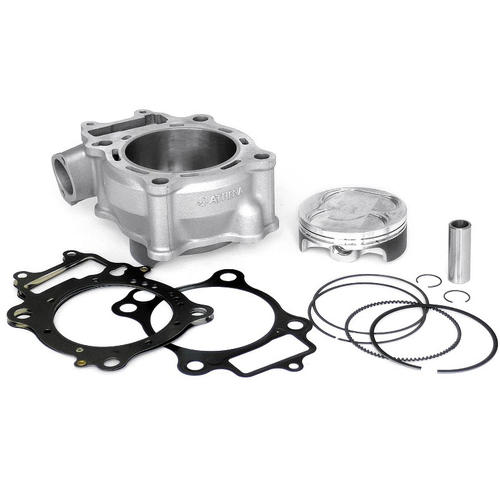
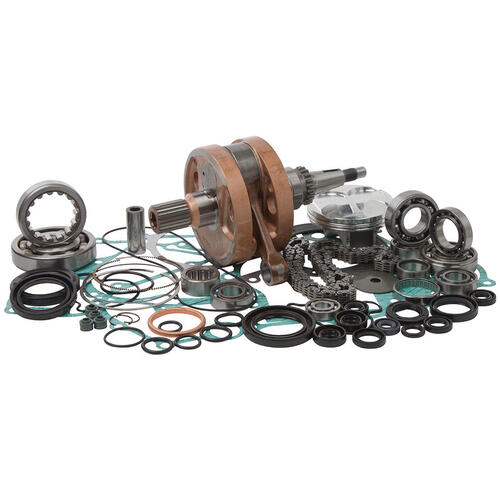
For larger engine overhauls, Firestorm's four-stroke engine rebuild kits may be useful. Check the contents carefully, as not every kit includes cylinder head components.
Watch: ProX Four-Stroke Cylinder Head Rebuild
For a closer look at the process, ProX Racing Parts demonstrates a Yamaha YZ450F cylinder head rebuild, including important component checks and valve clearance inspection.
This demonstration is a useful visual companion, but always use your own motorcycle's service manual for exact specifications and procedures.
Should You Rebuild a Four-Stroke Cylinder Head Yourself?
A cylinder head rebuild is considerably more involved than a routine valve clearance adjustment.
An experienced home mechanic with the correct tools, measuring equipment and factory service manual may be able to complete disassembly, some inspection work and final reassembly.
However, valve seat machining, valve guide replacement, crack inspection and certain dimensional repairs require specialist equipment and experience.
A sensible approach is to handle appropriate disassembly and reinstallation yourself while having the head professionally inspected and machined where necessary.
The objective isn't simply to install new parts. It's to make sure every critical component is measured, correctly matched and assembled to specification.
Find the Right Engine Parts at Firestorm Motorcycles
Choosing the correct replacement parts for your motorcycle is essential when rebuilding a four-stroke cylinder head.
Firestorm Motorcycles stocks engine components including valves, valve kits, cam chains, gaskets, pistons and rebuild kits. Select your motorcycle's exact make, model and year before ordering.
Planning a Four-Stroke Engine Rebuild?
Explore the parts you need to repair and refresh your engine, from replacement valves to gasket kits and complete rebuild components.
Related Firestorm Workshop Guides
Technical reference: ProX Racing Parts — YZ450F Top End Part 2: Rebuilding a Four-Stroke Head. Always follow your motorcycle manufacturer's service manual for model-specific procedures, service limits, torque settings and timing requirements.